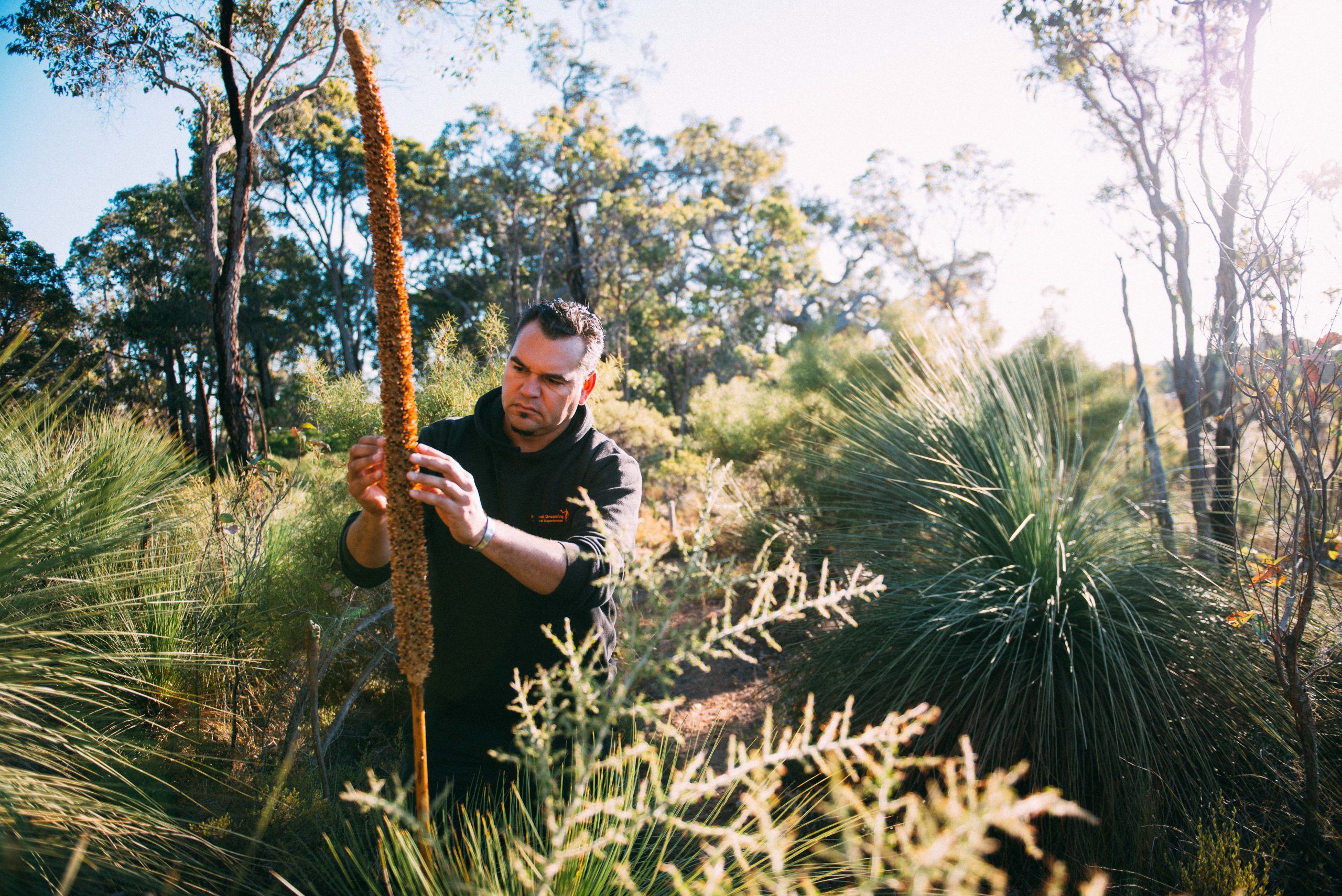
Local writer Lizzy Pepper asked four great guides how to experience The Margaret River Region’s natural wonders, shaped by the six seasons of the Noongar calendar. This is this article she penned to help visitors get the most of out their visit to this stunning part of Western Australia:
Kambarang, Birak, Bunuru, Djeran, Makuru and Djilba are the six seasons of the Noongar calendar, guiding the Wadandi (Saltwater) People to live in harmony with the land. Noticing nature’s rhythm – whether it’s spotting delicate orchids or spying a joey peek from a pouch – can fill your holiday with awe.
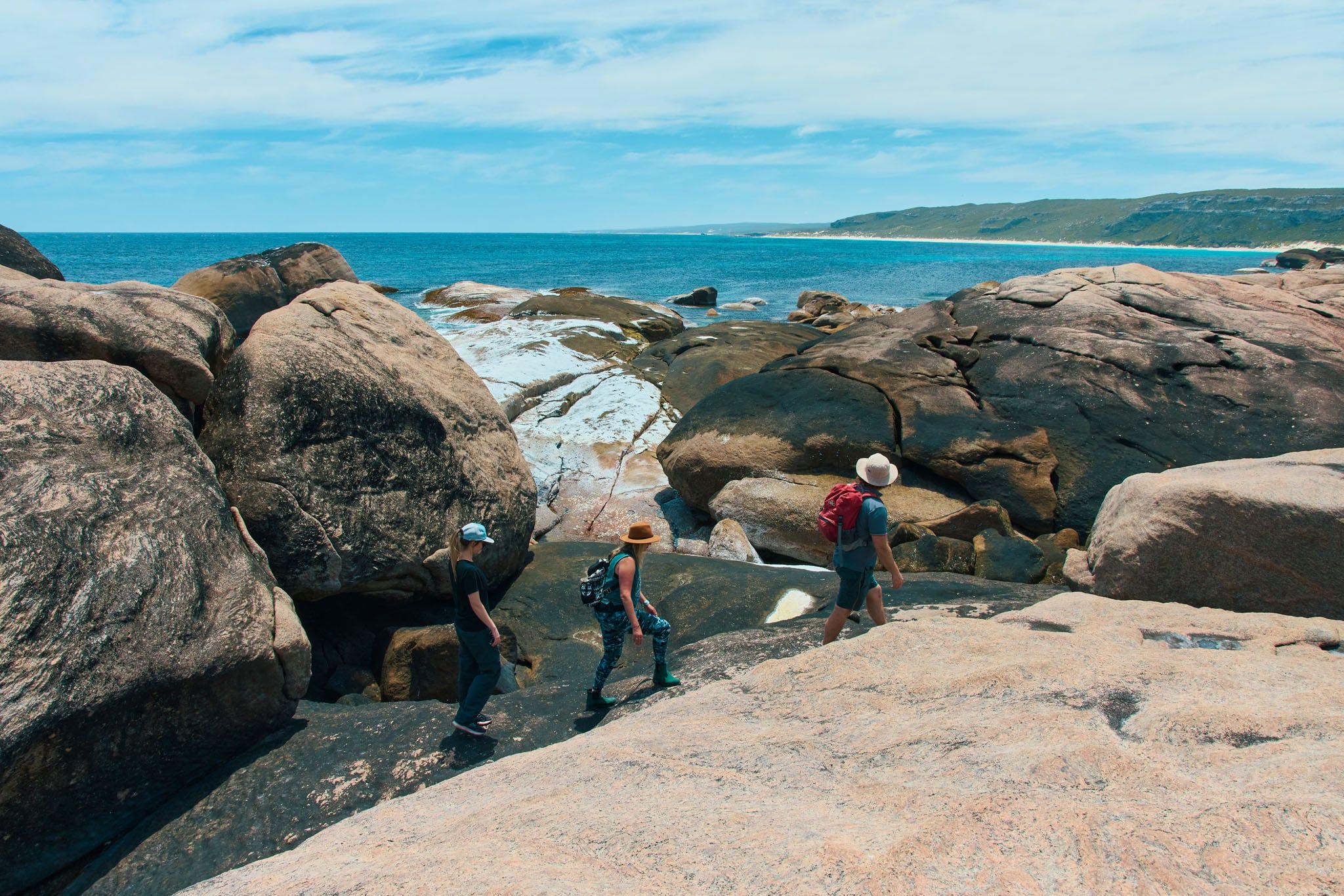
Traditionally, this is when Wadandi families journeyed back to the coast. They camped beneath melaleuca trees and caught octopus, crayfish and abalone.
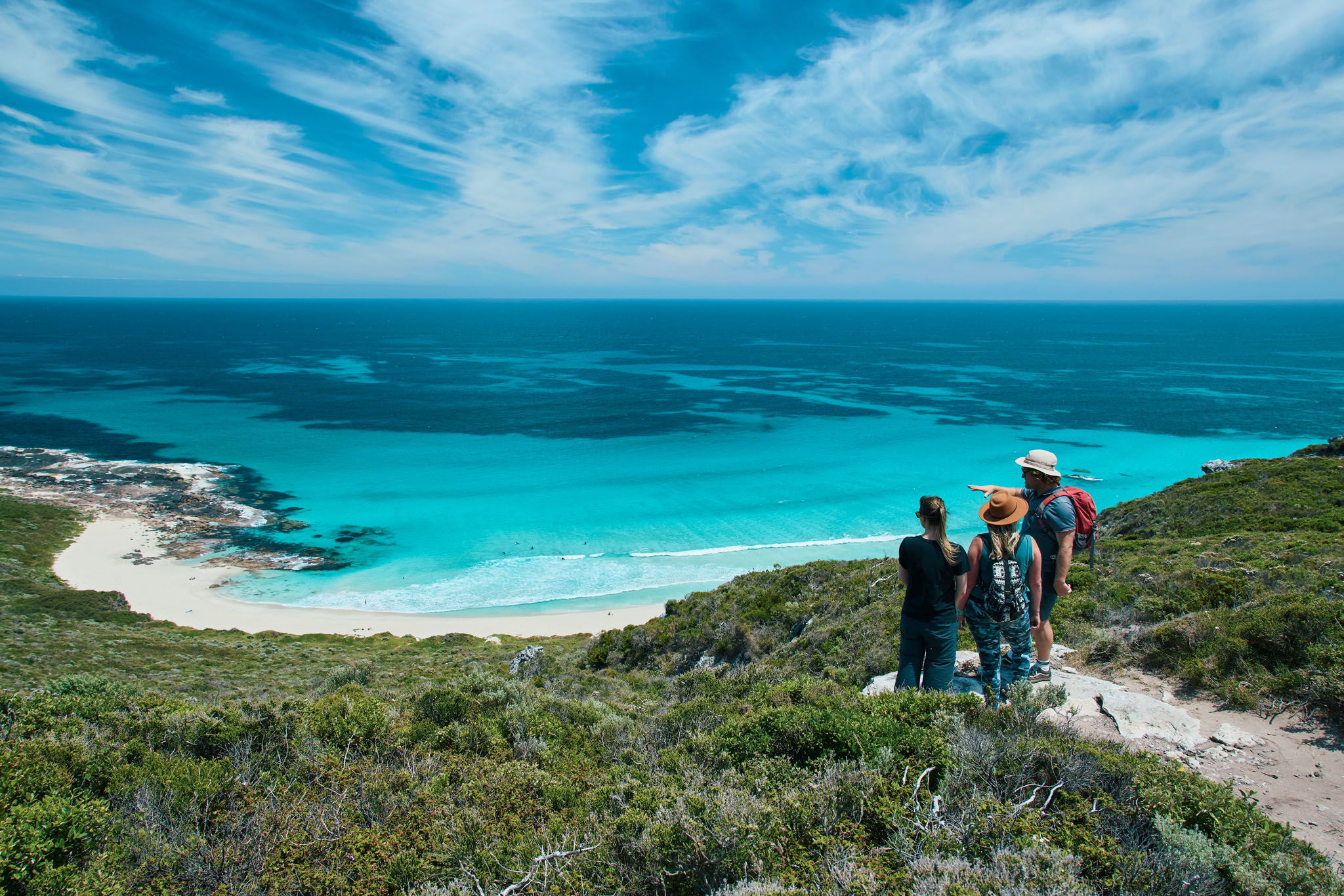
“Kambarang is the best time to be out on the Cape to Cape Track if you’re into whales, wildflowers, and feeling like you’ve wandered into nature’s version of a rave,” says Sean Blocksidge of Margaret River Discovery Co.
“Some days we’ll spot over 20 whales in under half an hour off the Wilyabrup Cliffs. It’s like a conga line of humpback whales lighting up the coastline. On land, the wildflowers are blooming like someone spilled a packet of Skittles in the coastal heath.”
Gene Hardy agrees, “the track becomes a sea of yellow flowering acacia, followed by the stunning pinks of pimelia and purples of the scavola”. Gene and his Cape to Cape Explorer Tours team offer guided and semi-guided experiences. “We go nuts for all the stunning orchids on the Cape to Cape Track, from rare and wonderful spider orchids to fields of fairy orchids and cheerful yellow cowslip orchids.”
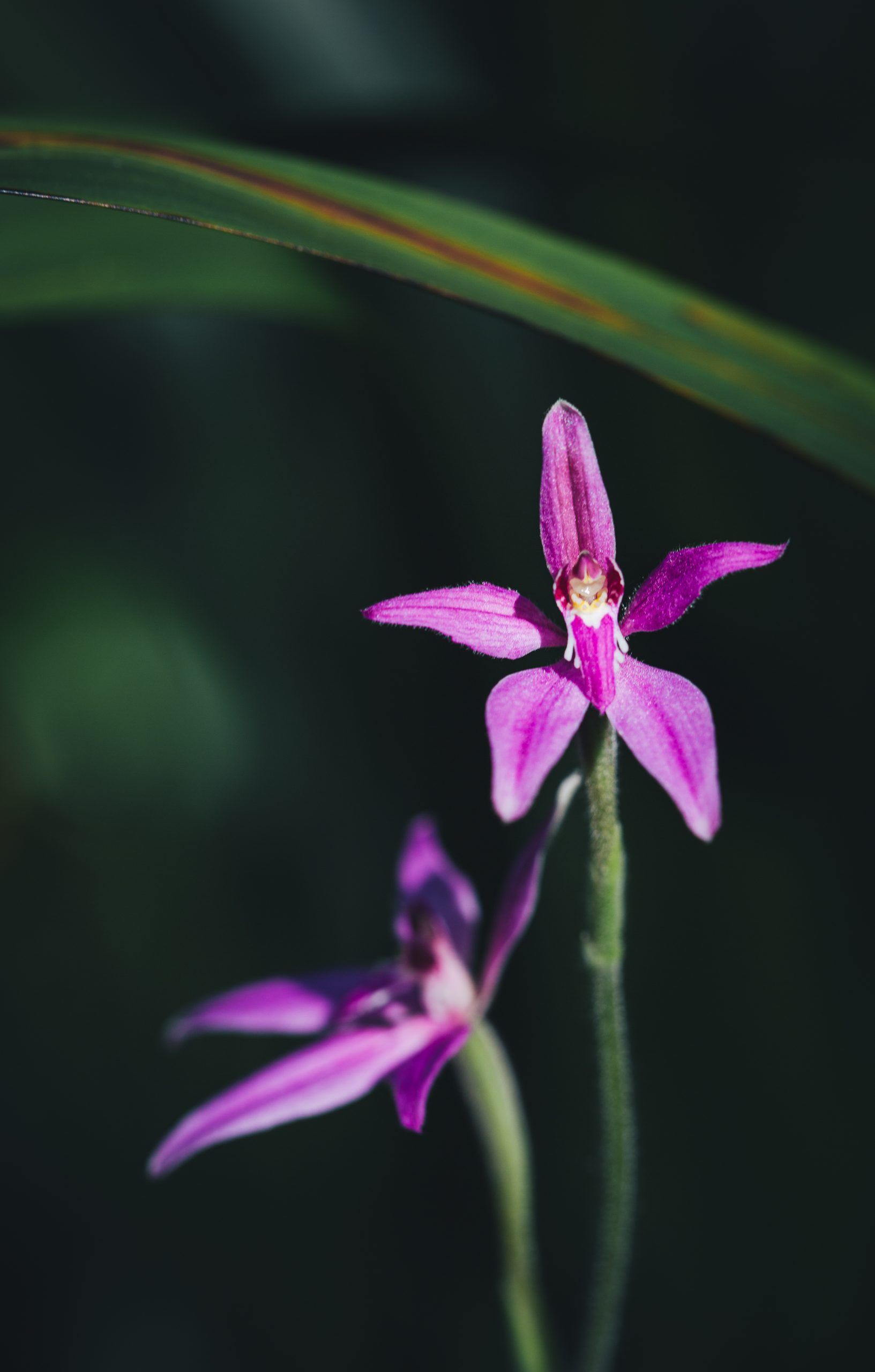
For orchid specialist Hank Durlik of Margaret River Exposed, it’s a chance to experience an ecosystem millions of years in the making. “It’s a kaleidoscope of colour in the forest. Native orchid species that have not been seen for years suddenly appear, and it’s a mystery why they’ve been dormant for so long.”
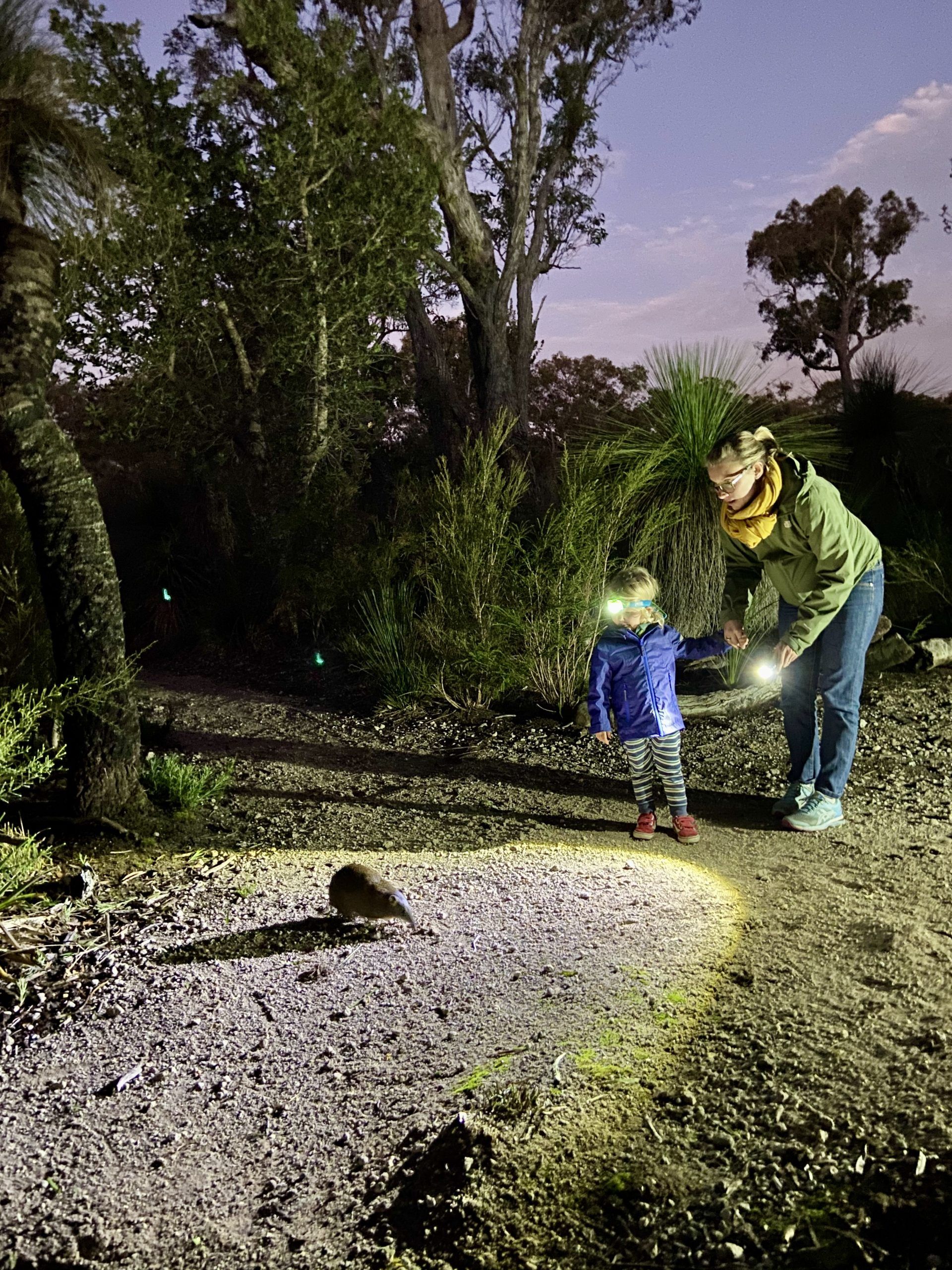
It’s also the time for spotting crepuscular wildlife and the epic Aurora Australis on Southwest Eco Discoveries’ Nocturnal Wildlife Tour, says guide Ryan White. “Watch joeys leave their mum’s pouches, skipping around, getting used to their legs and newfound freedom. Look up in the trees and see baby possums hitch a ride on their mothers’ backs.”
Balga and banksia blossom. The Nutysia tree is bright with flowers, and reef fish are abundant.
Birak brings a crush of sun-loving holiday makers, so it’s vital that we minimise our impact by staying on the paths, picking up rubbish and slowing down for native animals.
“During Birak, we spot reptiles sunbaking in quiet places, raptors patrolling the skies and bottlenose dolphins showing off their surfing skills,” says Ryan White. “On the nocturnal tours we watch scorpions glowing bright blue under ultra-violet lamps and Tuan (brush-tailed phascogales) darting around banksias.”
The second summer brings flowering marri and eucalypts. It’s the beginning of Ngari (salmon) migration, and there are lots of herring, skippy, mullet, tuna, kingfish and baitfish.
“See black cockatoos gorging on gumnuts and left over grapes on a Wine and Sights Discovery Tour or spend the morning looking for colourful birds like the golden whistler on our Coastal and Wildlife Eco Tour,” says Ryan White.
Marvel as the Southern Cross ascends in the starry night sky on his Nocturnal Wildlife Tour, where you’ll also see native plants loaded with sweet fruit like the emu plum and snotty gobble tree.
The coldest and wettest time of year, with some clear, crisp days. Red flowers are blossoming. Families move inland to the rivers, forests and lakes.
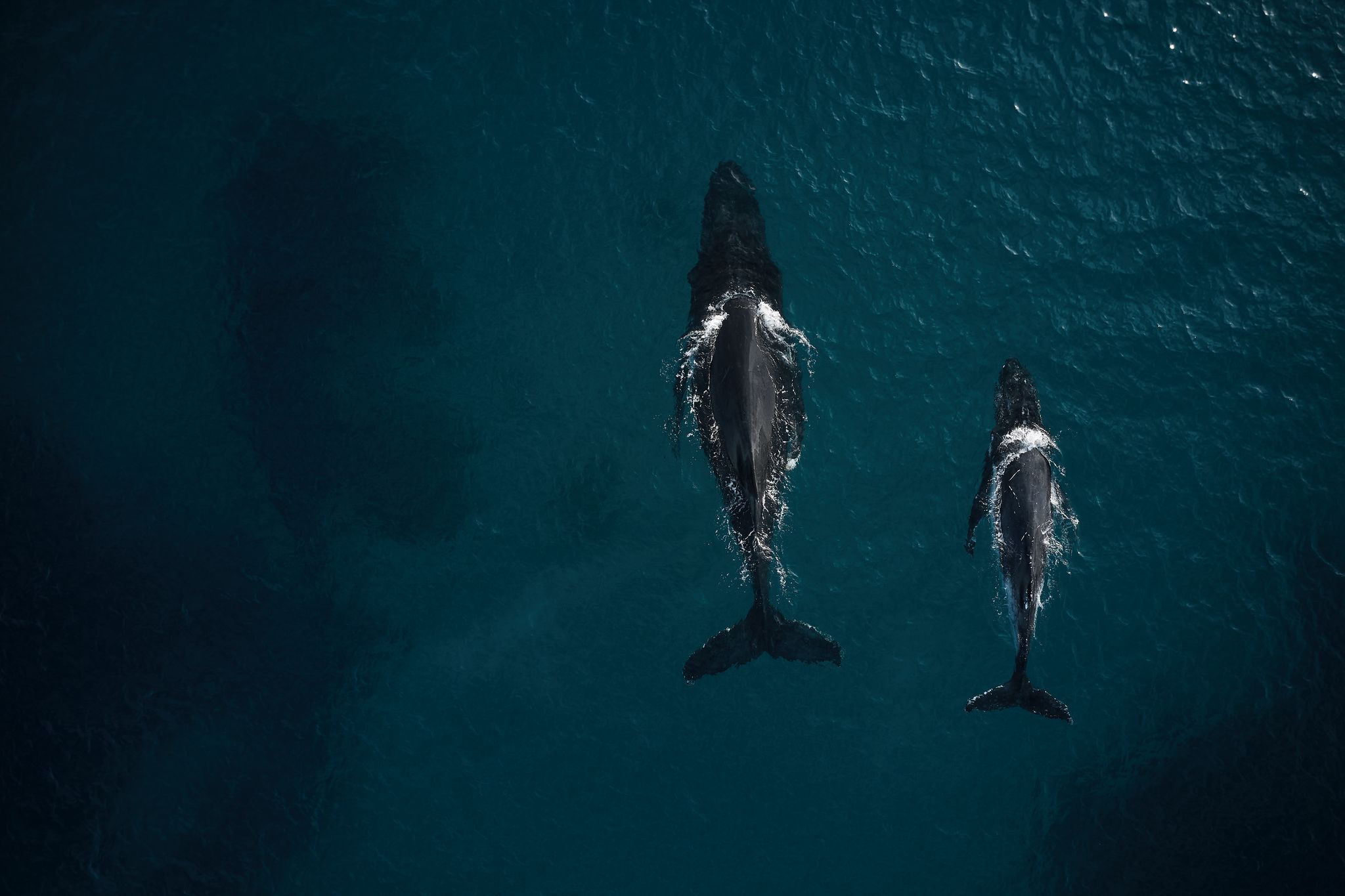
The fertility season starts with a splash off Augusta. Southern right whales birth their young in the protected waters and can be spotted from local whale watching charters, Whale Watch WA, All Sea Charters or Naturaliste Charters.
Missed the Makuru performance? Thousands of humpbacks migrate along the coast and through Geographe Bay in Djilba and Kambarang, making the South West a hotspot for one of the longest whale watching seasons in the world.
Cold days call for vigorous activity, and the Wooditjup Mountain Bike trails are plenty of heart-racing fun for the whole family.
The season of birth, baby marsupials and birds emerge from pouches and nests. Yellow and white flowers, plus orchids, appear.
“The second rains fill up creeks, and it’s waterfall time – check out Wooditch (Yalgardup) Falls”, suggests Josh Whiteland.
As the weather warms up, Gene Hardy prepares for his three to eight-day guided hiking adventures, where he shares fascinating insights into the local geology, First Nations culture and the history of local settlement. “It’s a sensational time to be out on the Cape to Cape Track and the most popular time of year.”
Wadandi Custodian, Josh Whiteland offers cultural tours through Koomal Dreaming. Join him on a gentle bush walk as he speaks to the seasons, welcomes you to Country, points out traditional foods, and spots native animals.