
Today, the Cape to Cape Track is a world-class hiking trail drawing walkers from across Australia and beyond — but it hasn’t always been that way. The 132km route winding along Western Australia’s spectacular south-west coastline has a rich and layered history, shaped by thousands of years of Wadandi custodianship. And decades of community vision. Plus a growing movement to protect and experience nature more deeply. Here’s how this now-famous trail came to be.
Ancient Pathways: The Land of the Wadandi People
Long before the Cape to Cape Track was marked with signs and shelters, the land it crosses was — and still is — the traditional country of the Wadandi People, one of the groups of the Noongar Nation. For over 50,000 years, the Wadandi have moved along this coast. The followed seasonal rhythms, fishing, hunting, gathering and caring for the land. Many of the track’s landmarks, like caves, waterholes and coastal headlands, hold deep cultural and spiritual significance. The track passes close to sacred sites. And every step taken is across a landscape rich with stories, songlines and deep connection to Country. Today, Wadandi rangers and cultural custodians play a vital role in helping manage and interpret the landscape for visitors. And walkers are encouraged to tread with respect.
A Conservation Dream in the 1970s
Fast forward to the 20th century. In the 1970s, as the environmental movement grew, a group of locals and conservationists dreamed of a trail that would link Cape Naturaliste in the north to Cape Leeuwin in the south. It could showcase the spectacular coastline while encouraging people to explore and protect the region.
The area’s increasing popularity with surfers and nature lovers was revealing its untamed beauty to a wider audience. But it was also under threat from development and degradation. And the idea of a long-distance track was partly about helping people connect with the landscape — and thus want to preserve it.

Construction and Challenges
Throughout the 1980s and ’90s, parks staff, volunteers and community groups slowly stitched the trail together. Often, they linked existing firebreaks, beach sections and four-wheel-drive tracks. Environmental sensitivities, land access issues and the sheer ruggedness of the terrain meant progress was slow. But by the early 2000s, after years of planning and footwork, the Cape to Cape Track officially opened. It snaked through the Leeuwin-Naturaliste National Park. And offered walkers an uninterrupted journey through one of the most biodiverse corners of the country.
The Track Today: Icon and Inspiration
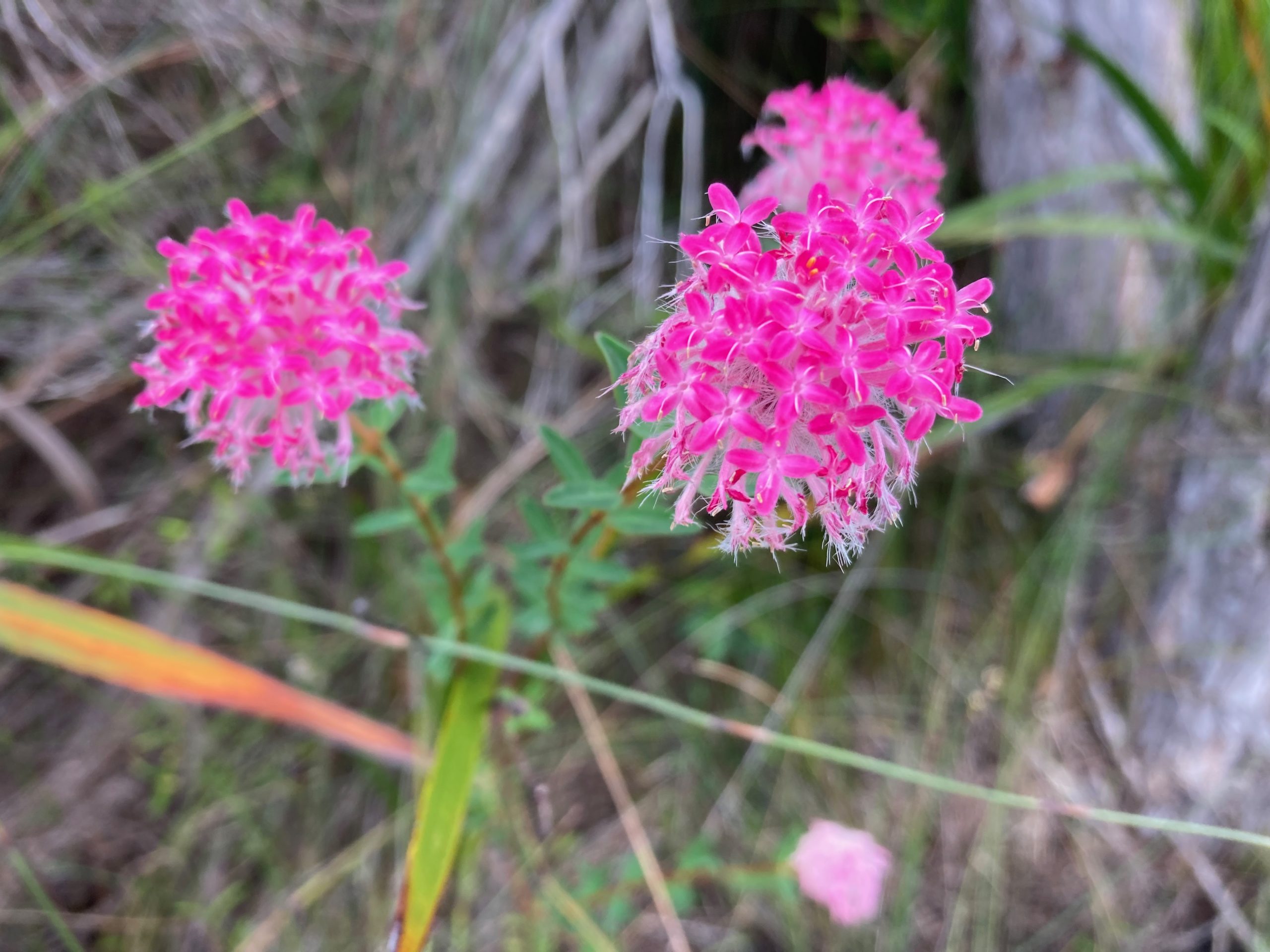
Today, the Cape to Cape Track is recognised as one of Australia’s great hikes. And it’s a model for sustainable nature-based tourism. Thousands walk it each year, whether as a week-long end-to-end adventure or a series of shorter day hikes. It’s also become a living classroom, where students, citizen scientists, conservation groups and Indigenous knowledge holders come together to learn from the land. As climate change, invasive species and increased tourism place new pressures on the region, the track also reminds us how important it is to balance recreation with protection. And to walk softly and tread mindfully.
A Living History
What makes the Cape to Cape so special isn’t just its cliffs, beaches or forests — it’s the way the track connects past and present, people and place. And it reminds us that this land has always had stories to tell. Every time someone walks it, they become part of that story too.