
As winter begins to fade in the South-West of Western Australia, the Wadandi people—traditional custodians of the Margaret River region—welcome Djilba, one of the six Noongar seasons that reflect the deep and ancient relationship between people and the land.
For those walking the Cape to Cape Track at this time of year, Djilba brings a heightened awareness of nature’s rhythms. It’s a season of renewal and quiet transformation, when the bush begins to stir with new life and the coastline takes on a refreshed energy. And for hikers with Cape to Cape Explorer Tours, it’s a powerful time to experience this unique environment, guided by those who know and love this land.

What is Djilba?
Djilba is the season of transition, traditionally observed from August through September. It follows Makuru, the coldest and wettest part of the year, and precedes Kambarang, when spring arrives in full force.
Known as the Season of Rains and Renewal, Djilba is marked by:
-
Cooler days and cold nights, often still with rain
-
Abundant fresh water in creeks, rivers, and wetlands
-
First wildflowers beginning to bloom
-
Emergence of new life, with animals nesting and preparing for the warmer months ahead
In traditional times, this was a key period for moving across the landscape, responding to the changing availability of resources—just as today’s hikers move across the Cape to Cape Track, following the contours of the land and the rhythm of the seasons.
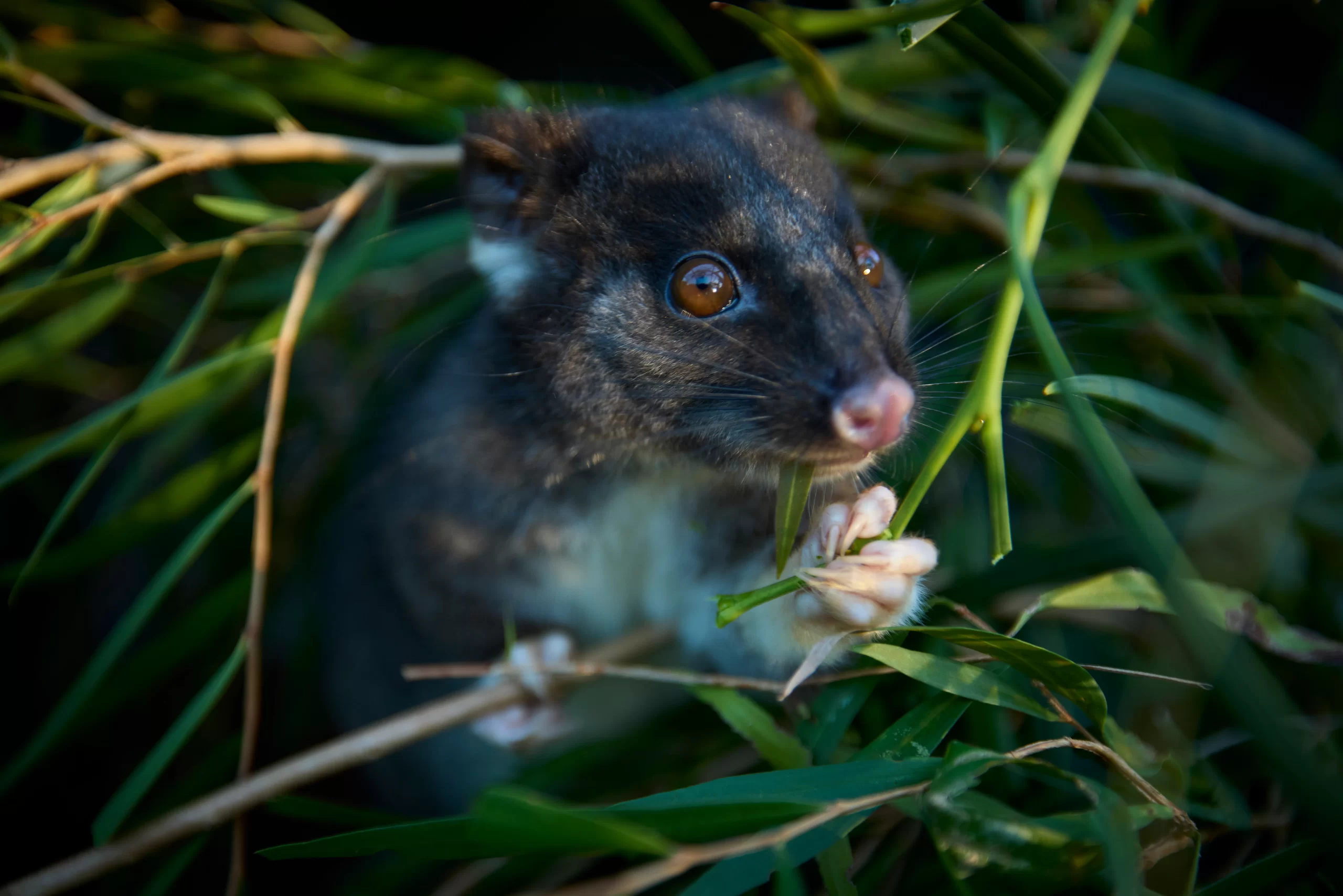
Walking the Cape to Cape Track During Djilba
On the Cape to Cape Track, Djilba is a magical time to hike. The environment is bursting with change:
-
Wildflowers begin to emerge, with splashes of yellow, white and pink dotting the bush
-
Kangaroo mobs are more active in the open heath and forest clearings
-
Wattles bloom, releasing bursts of gold across the landscape
-
Migrating humpback and southern right whales are frequently seen off the coast
-
The air feels crisp, and the light begins to soften as the days gradually warm
With our expert guides, you’ll not only walk through this breathtaking environment—you’ll gain insight into its ecological patterns and cultural layers. Our team is trained to interpret the natural world and share stories of Wadandi Country, helping you see the Track through a richer, more meaningful lens.

Six Seasons: An Ancient Climate Calendar
Unlike the European four-season model, the Noongar six seasons are based on thousands of years of observation and understanding of the land. The seasons are:
-
Birak – Season of the young (Dec–Jan)
-
Bunuru – Season of adolescence / hottest part of the year (Feb–Mar)
-
Djeran – Season of adulthood / early autumn (Apr–May)
-
Makuru – Season of fertility / winter (Jun–Jul)
-
Djilba – Season of conception / early spring (Aug–Sep)
-
Kambarang – Season of birth / spring (Oct–Nov)
These are not fixed by dates, but rather by environmental cues: flowering times, animal behaviour, and changes in weather. Walking during Djilba offers a firsthand experience of this ancient seasonal cycle in action.
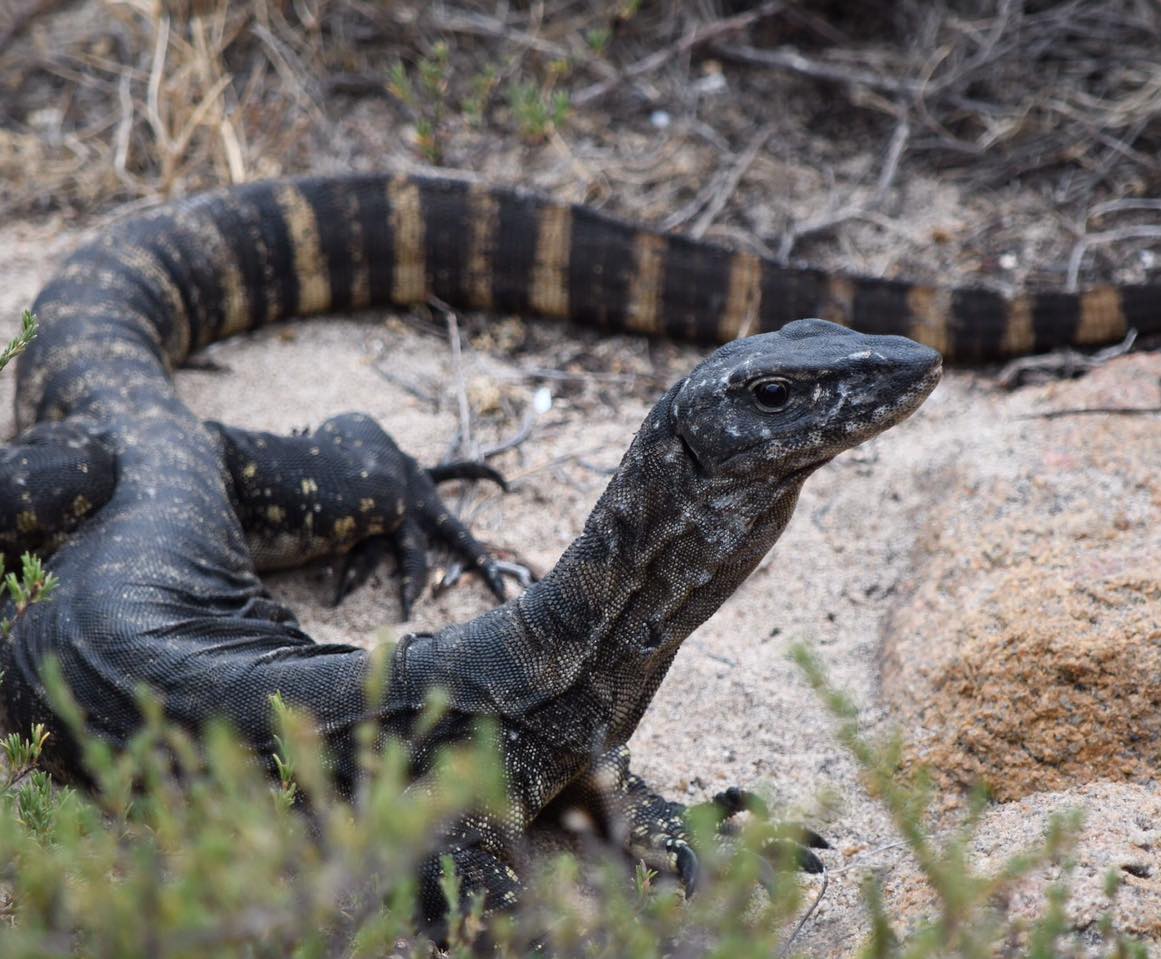
Walking on Wadandi Boodja (Country)
At Cape to Cape Explorer Tours, we acknowledge the Wadandi People of the Noongar Nation as the Traditional Owners of the land we walk on. We pay our respects to Elders past, present and emerging, and we walk with humility and gratitude on Wadandi Boodja (Country).
Our guides are proud to incorporate cultural awareness into every tour, and we believe that walking the Track is not just a physical journey, but a way to connect more deeply to Country—especially during powerful seasonal shifts like Djilba.
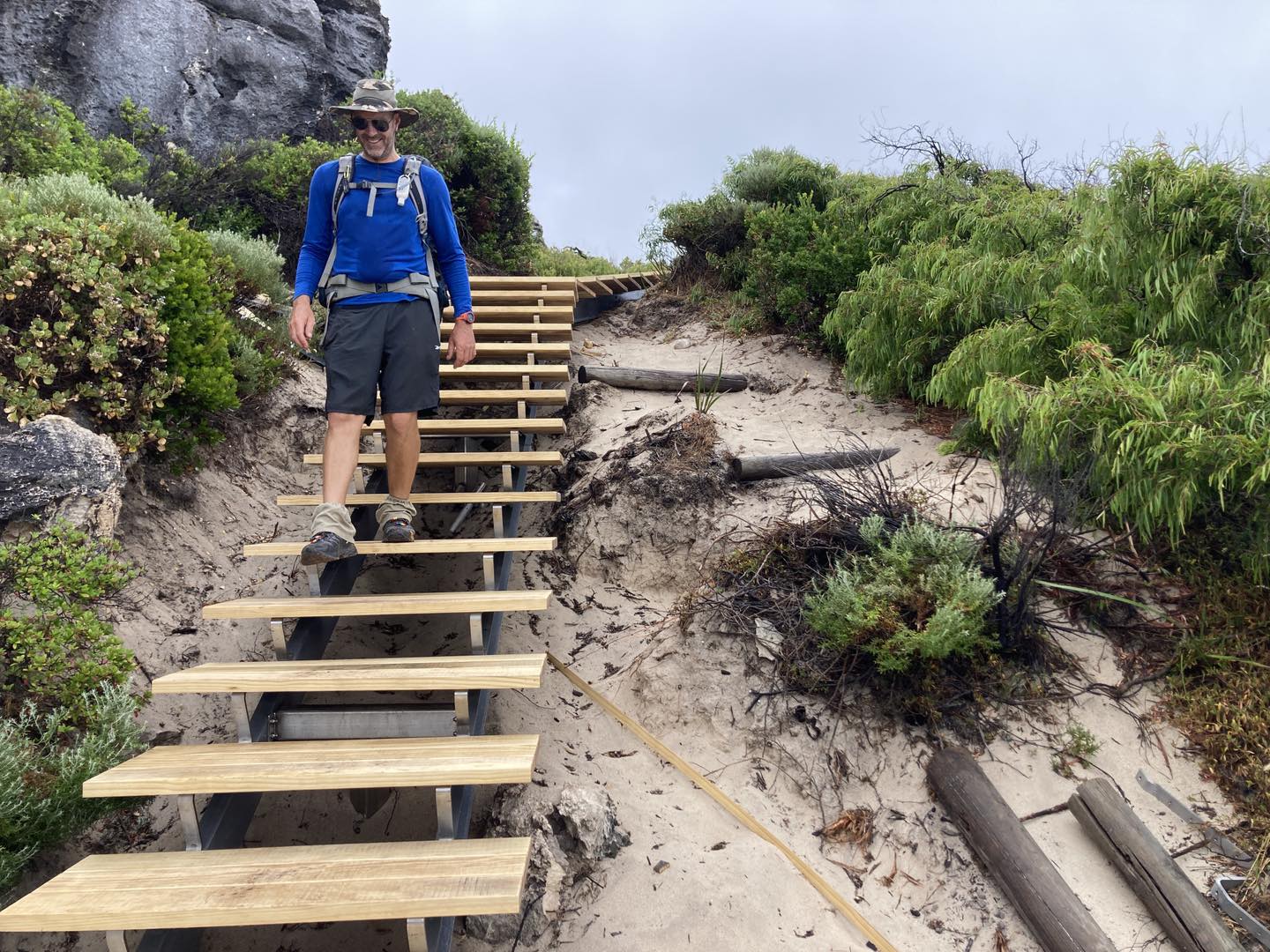
Join Us for a Djilba Adventure
If you’re hiking the Cape to Cape Track with us between late August and September, you’ll be walking in step with the season of Djilba. Whether you’re part of a guided group or on a tailored private hike, you’ll experience the beauty of the Track as it begins to bloom, the quiet power of renewal, and the ancient rhythm of six seasons still guiding the land today.
Ready to walk with us this Djilba? Get in touch to learn more about our spring tours or book your 8-Day Guided End-to-End adventure now.